
Starting a laser engraving business can be an exciting and profitable venture, offering endless possibilities for personalization and customization across various industries.
Whether you’re engraving gifts, jewelry, signage, or promotional items, the precision and versatility of laser engraving make it a popular choice for consumers and businesses alike.
Table of Contents
Whether you’re a hobbyist looking to monetize your craft or an entrepreneur ready to launch a full-scale operation, having a solid laser engraving business plan is essential.
What is a Laser Engraving Business Plan?
A laser engraving business plan is a written document that outlines the goals, strategies, and resources needed to start and run a successful laser engraving business. It acts as a roadmap to help you stay focused, attract investors or partners, and guide your decision-making as your business grows.
Do I really need a business plan to start a laser engraving business?
You don’t need a business plan to start a laser engraving business — but having one is highly recommended if you want to:
Stay Focused and Organized
A business plan gives you a clear path:
- What to sell
- Who to sell to
- How much to charge
- How to market
This helps you avoid wasting time and money on guesswork.
Budget Smartly
It helps you:
- Estimate your startup costs (laser, materials, software)
- Plan for monthly expenses
- Understand how much you need to earn to break even and make a profit
Avoid Burnout
Without a plan, it’s easy to get overwhelmed.
A plan gives you steps to follow so you can work steadily, even if you’re starting part-time or balancing another job.
Get Funding or Support (If Needed)
If you plan to:
- Get a loan
- Apply for grants
- Partner with someone
They’ll expect to see a basic business plan.
Track Your Progress
Later on, a plan helps you measure what’s working — and what isn’t — so you can adjust and grow smarter.
Bottom Line:
You can start small with just a few notes, goals, and numbers. You don’t need a 20-page report — but a simple business plan will save you time, money, and stress as you grow.
How to write a Laser Engraving Business Plan
Writing a business plan for your laser engraving business is a crucial step in turning your idea into a profitable venture. Here’s a step-by-step guide to help you create a clear and effective business plan:
1. Executive Summary
What this section includes:
- A brief overview of your business
- What products/services you offer
- Your target market
- Business goals
Example:
“Creative Cuts Laser Engraving offers custom-engraved gifts, home décor, and promotional products. We serve local customers and small businesses seeking personalized items. Our goal is to become the top provider of custom engraved products in [your location] within 2 years.”
Tips:
- Start with SMART Goals: Specific, Measurable, Achievable, Relevant, Time-bound.
- Example: “Sell 100 custom keychains within the first 3 months.”
- Short-Term Goals: Set 30-, 60-, and 90-day objectives to track early momentum.
- Long-Term Goals: Think 1- to 5-year outcomes, such as launching a website, opening a studio, or hitting $50,000 in annual revenue.
- Track & Adjust: Revisit your goals monthly. Adjust based on what’s working.
2. Business Description
Include:
- The story behind starting your business
- Legal structure (sole proprietor, LLC, etc.)
- Business location and workspace
- Your mission and vision
Example:
“Creative Cuts is a home-based laser engraving business operated as a single-member LLC. Our mission is to deliver high-quality, customized items that bring joy and meaning to our customers’ lives.”
3. Market Research
Cover:
- Your target audience (who buys your products)
- Customer demographics (age, interests, spending habits)
- Local and online competition
- Market demand and trends
Example:
“We target craft show shoppers, gift buyers, and local businesses. Custom home décor, personalized gifts, and branded products are trending in the handmade space. Competitors include local Etsy sellers and big box personalization services.”
4. Products and Services
Detail:
- What you plan to sell (e.g., tumblers, cutting boards, pet tags)
- Types of materials you will work with (wood, acrylic, stainless steel)
- Laser type you’ll use (diode, CO2, fiber, UV)
- Customization options
Example:
“Our main offerings include engraved wood signs, custom tumblers, pet tags, and corporate gifts. We use a 10W diode laser suitable for wood, leather, and coated metals.”
5. Marketing and Sales Strategy
Outline:
- How you will promote your business (e.g., social media, Etsy, fairs)
- Branding ideas (logo, packaging, tone of voice)
- Pricing strategy (cost-based or value-based pricing)
Example:
“We will market through Instagram, Facebook, and local craft shows. Our products will be listed on Etsy and in-person events. Our branding focuses on rustic charm and quality craftsmanship.”
Tips:
- Define Your Niche: Specialize in something like pet tags, wedding gifts, or business signage.
- Create a Portfolio: Take high-quality photos of your work and display them on a simple website or Instagram page.
- Use Social Media: Platforms like Instagram, TikTok, and Facebook are perfect for showcasing before/after shots, time-lapses, and customer stories.
- Attend Local Events: Craft fairs, markets, and expos are great places to meet potential customers and get direct feedback.
- Encourage Word-of-Mouth: Offer referral discounts or small thank-you gifts to loyal customers who refer others.
Recommended Reading:
We recommend reading How to Start a Business Selling Arts and Crafts Online & Offline because it gives you a clear, beginner-friendly path to actually selling your laser-engraved products, both online and in person.
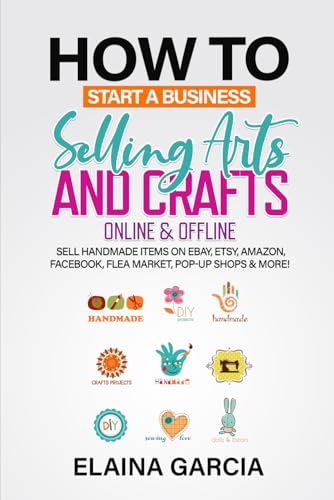

It covers exactly what most beginners struggle with:
- Where to sell (Etsy, Amazon, Facebook, craft fairs, pop-ups, and more)
- How to price your products so you make a profit
- Simple marketing and branding strategies that attract customers
- Common mistakes to avoid so you don’t waste time or money
If you’re stuck wondering “Where should I sell my laser-engraved items?”, this book gives you practical answers you can apply right away without guesswork.
6. Operations Plan
Include:
- Daily tasks and processes (design, engraving, shipping)
- Inventory management
- Tools and equipment used
- Workspace setup
Example:
“Orders will be processed within 48 hours. Designs are created using LightBurn software. Products are shipped with branded packaging and thank-you cards.”
7. Equipment and Startup Costs
Break down:
- Laser engraver and accessories
- Materials and blanks
- Software (LightBurn, CorelDRAW, etc.)
- Website, marketing, and packaging
- Licensing and permits
Example:
Item | Cost Estimate |
|---|---|
10W Diode Laser Machine | $700 |
Materials & Blanks | $300 |
Software & Design Tools | $100 |
Business License/LLC | $150 |
Marketing & Website | $250 |
Total | $1,500 |
8. Financial Projections
Estimate:
- Monthly income (based on pricing and projected sales)
- Expenses (supplies, marketing, website)
- Profit margins
- Break-even point
Example:
“With an average order value of $35 and 50 orders/month, we project $1,750 in monthly revenue. After $800 in expenses, projected monthly profit is $950. Break-even in 2 months.”
9. Growth Plan
Discuss:
- How you plan to scale (more products, staff, or laser machines)
- Long-term goals (wholesale, online store, corporate clients)
Example:
“Within 6 months, we aim to introduce a fiber laser to expand into metal engraving. Our 1-year goal is to open an Etsy store and reach $5,000/month in sales.”
Tips:
- Expand Product Offerings: Add new blanks like tumblers, cutting boards, or ornaments based on customer interest.
- Launch an Online Store: Use Etsy, Shopify, or your own website to reach more customers.
- Offer Customization: People are willing to pay more for personalized gifts and keepsakes.
- Partner Locally: Team up with wedding planners, realtors, or local shops to offer custom engraved products.
- Invest in Equipment: As you grow, upgrade your laser for more power, speed, or material compatibility.
Pro Tip: Always collect customer feedback and reviews to refine your product line and service.
10. Appendix (Optional)
Add:
- Sample product photos
- Market research links
- License and permit info
- Logo or branding visuals
Simple One-Page Laser Engraving Business Plan Template
Here’s a Simple One-Page Business Plan Template tailored for starting a laser engraving business. You can copy and paste this into a document and fill in the blanks:
Business Name & Description
Name:
(e.g., PrecisionCraft Laser Designs)
What You Do:
Provide custom laser engraving services for gifts, signs, home décor, promotional items, etc.
Mission Statement
Why are you starting this business?
(e.g., To offer personalized, high-quality engraved products that make meaningful gifts and lasting impressions.)
Products & Services
What will you sell?
- (e.g., Engraved cutting boards, tumblers, wood signs, leather keychains, acrylic LED lights)
Any special services? - (e.g., Custom logo engraving, bulk orders for events)
Target Market
Who will buy from you?
- (e.g., Gift buyers, event planners, small businesses, pet lovers, crafters)
Where are they located? - (e.g., Local craft markets, Etsy, Facebook Marketplace, local businesses)
Startup Costs
Estimated costs to get started:
- Laser machine: $____
- Materials/blanks: $____
- Software: $____
- Marketing: $____
- Other: $____
Total Estimated Startup Cost: $____
Pricing Strategy
How will you price your products?
- Base material + time + overhead + profit
(e.g., Small engraved wood sign: $25 | Custom tumbler: $35)
Marketing Plan
How will people find you?
- Social media (Instagram, Facebook, TikTok)
- Craft fairs / vendor markets
- Etsy or website
- Word of mouth / referrals
- Local business networking
Revenue Goals
How much do you need to earn per month?
- Break-even goal: $____/month
- Profit goal: $____/month
Products to sell per week to reach this goal: ____
Key Milestones
What are your first 3 goals?
- Buy a laser and make 10 practice products
- Launch Etsy store or attend 1 craft fair
- Make first $500 in sales
Recommended Reading

How to Write a Business Plan With No Experience by Richard Hedberg (Business Blueprint series).
This book is a practical, beginner-friendly guide to building a solid business plan from scratch—even if you have no prior experience. It breaks things down in a simple way, using real examples to help you understand what actually works in the real world.
Inside, you’ll learn how to:
- Write a clear, structured business plan without confusion or jargon
- Understand the key elements investors and lenders look for
- Turn a basic idea into a plan that can actually support growth and profit
- Use step-by-step examples to guide your own planning process
- Avoid common mistakes that new business owners often make
If you’re starting a business and feel overwhelmed by planning, this book helps you get organized and move forward with more confidence.
How much money do I need to start a laser engraving business?
The amount of money you need to start a laser engraving business depends on your goals, the type of equipment you buy, and whether you’re starting as a hobbyist, side hustle, or full-time business. Here’s a basic cost breakdown for 2024–2025:
Starter Budget: Small/Home-Based Setup
Estimated Total: $1,000 – $3,000
Item | Estimated Cost |
|---|---|
Entry-level laser engraver (diode or basic CO₂) | $500 – $1,500 |
Materials & blanks (wood, acrylic, tumblers) | $100 – $500 |
Design software (LightBurn, CorelDRAW, etc.) | $0 – $150 |
Safety gear (fire extinguisher, air filter, goggles) | $50 – $200 |
Cleaning tools / masking supplies | $50 – $100 |
Marketing (logo, business cards, simple website) | $50 – $200 |
Optional: Rotary attachment for tumblers | $100 – $300 |
Business-Level Setup (More Capable CO₂ or UV/Fiber Laser)
Estimated Total: $3,000 – $10,000+
Item | Estimated Cost |
|---|---|
Mid-range laser engraver (xTool, ComMarker, Laserpecker) | $2,000 – $5,000 |
Higher-end materials & bulk blanks | $500 – $1,000 |
Ventilation & air filtration system | $200 – $800 |
Design software + licenses | $100 – $300 |
Business registration & insurance | $100 – $500 |
Marketing, website, online store setup | $200 – $1,000 |
Branding, packaging, and shipping materials | $100 – $500 |
Pro Tip:
Start small and reinvest profits. Many successful laser engraving businesses began with an under-$2,000 setup and grew from there.
Sources of Funding for Laser Engraving Businesses
Here are the most common sources of funding for laser engraving businesses, from self-funded options to external financing:
Personal Savings
Best for: Low startup costs, full control
- Using your own savings to buy your first laser machine, materials, and setup essentials.
- Pros: No debt, no outside interference.
- Cons: Risking personal funds, limited growth capital.
Small Business Loans
Best for: Those with good credit and a solid business plan
- Available through banks, credit unions, or online lenders (e.g., Kabbage, Lendio, or SBA loans).
- SBA microloans (up to $50,000) are great for startups.
- Pros: Larger funding amounts, fixed repayment terms
- Cons: Requires a good credit score, approval can take time
Credit Cards
Best for: Short-term purchases like blanks or supplies
- Business or personal credit cards can help with upfront purchases.
- Pros: Quick access to funds, potential rewards
- Cons: High-interest rates if not paid off quickly
Friends and Family
Best for: Trusted relationships
- Borrowing from people you know personally.
- Pros: Flexible terms, low or no interest
- Cons: Can strain relationships if things go poorly
Business Grants
Best for: Women, minority-owned, or veteran-owned businesses
- Government or private grants don’t require repayment.
- Look for grants through:
- Grants.gov
- SBA
- Local small business development centers (SBDCs)
- Pros: Free money
- Cons: Highly competitive, detailed application process
Crowdfunding
Best for: Creative or product-based laser businesses
- Platforms like Kickstarter, Indiegogo, or GoFundMe
- Best when you offer unique products like custom gifts or artwork
- Pros: Free marketing, access to early supporters
- Cons: Must create compelling content and meet funding goals
Side Hustle Income
Best for: Easing into the business
- Keep your day job and use part of your income to fund your business over time
- Pros: Lower financial risk
- Cons: Slower growth
Equipment Financing
Best for: Buying a laser machine without a large upfront cost
- Some laser brands (like xTool, Glowforge, or Thunder Laser) offer financing through services like Klarna or Affirm
- Pros: Spread out the cost of your machine
- Cons: May come with interest or financing fees
Pro Tip:
Have a business plan ready before applying for loans or grants—it shows you’re serious and prepared.
Final Thoughts
A laser engraving business is a profitable market to get into. These personalized, hand-crafted, and custom-made products are very popular in today’s market, with people willing to pay higher prices for unique items.
To succeed in this industry, you must work hard, keep a positive attitude, stay organized, and follow the above mentioned steps.
Frequently Asked Questions
Is laser engraving a profitable business?
Yes, laser engraving can be a profitable business. It has low material costs, diverse applications (like personalized gifts, signage, and industrial marking), and a growing demand for custom and high-precision products. Success depends on your target market, marketing strategy, and quality of work.
How much does it cost to start a laser engraving business?
Starting a laser engraving business typically costs between $500 and $15,000, depending on the laser machine type (diode, CO₂, or fiber), software, materials, and additional equipment like ventilation systems. Budget options are available, but investing in higher-quality tools can improve efficiency and profitability.
How much money can a laser engraver make?
A laser engraver can make between $30,000 and $75,000 annually, depending on factors like product types, pricing, market demand, and production volume. Profits can increase significantly with custom or high-value items and effective marketing strategies.