
Laser engravers are incredibly safe when used correctly, but they also generate intense heat that can ignite combustible materials in seconds.
Whether you’re engraving wood, cutting acrylic, or processing leather, understanding fire prevention is one of the most important aspects of operating a laser safely.
The good news is that most laser engraving fires are entirely preventable. With proper machine maintenance, good ventilation, and safe operating practices, you can dramatically reduce the risk of accidents.
Table of Contents
This guide explains the most common causes of laser engraving fires and the best ways to keep your workshop safe.
Why Can Laser Engravers Start Fires?
A laser concentrates an enormous amount of energy into a tiny focal point. While this allows it to engrave and cut materials with incredible precision, it also generates temperatures well above the ignition point of many materials.
Fire risks increase when:
- Material remains under the beam too long
- Excess debris accumulates inside the machine
- Airflow is inadequate
- The laser is improperly focused
- Highly flammable materials are processed
Even a small flame can spread quickly if left unattended.
Never Leave Your Laser Unattended
The single most important safety rule is simple:
Never leave a running laser engraver unattended
Many fires begin as tiny flames that can be extinguished immediately if someone is present. If left unnoticed for even a minute, they can spread rapidly through wood, cardboard, leather, or other combustible materials.
Even experienced laser users stay within sight of their machines throughout every engraving or cutting job.
Materials Most Likely to Catch Fire
Some materials naturally present a higher fire risk than others.
Wood is one of the most common materials to ignite, particularly softwoods and plywood with resin pockets. Cardboard and paper can ignite almost instantly if the laser remains stationary. Leather, especially vegetable-tanned leather, may flare briefly during cutting. Certain fabrics can also catch fire depending on their composition.
Acrylic behaves differently. Cast acrylic generally melts and vaporizes rather than burning continuously, but flame-polished edges can ignite if excessive heat builds up.
Always use laser-safe materials and avoid unknown plastics that may both ignite and release hazardous fumes.
Keep Your Machine Clean
Dust, soot, resin, and small offcuts accumulate surprisingly quickly inside a laser engraver.
These materials act as fuel if exposed to an open flame.
Regular cleaning should include removing debris from the honeycomb bed, vacuuming loose particles inside the enclosure, cleaning exhaust ducts, and wiping away smoke residue from internal surfaces.
A clean machine is significantly less likely to experience a fire.
Use Air Assist
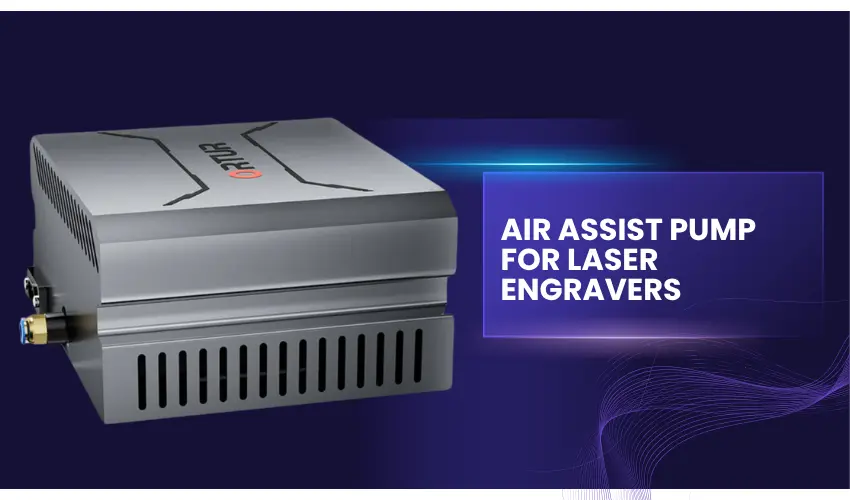
Air assist is one of the most effective fire-prevention accessories available.
It directs a steady stream of compressed air directly at the laser beam, helping remove smoke and heat from the cutting area.
Benefits include:
- Reduced flare-ups
- Cleaner cuts
- Less edge charring
- Improved cutting performance
- Lower risk of ignition
Many users find that installing air assist dramatically reduces the number of small flames encountered during cutting.
Maintain Proper Focus
An improperly focused laser spreads energy over a larger area rather than concentrating it precisely.
This creates excessive heating instead of efficient cutting.
A correctly focused laser completes cuts faster, reduces scorching, and minimizes the likelihood of ignition.
Check focus whenever changing material thickness.
Avoid Excessive Power
Using maximum power isn’t always the safest option.
Sometimes slower speeds at extremely high power create unnecessary heat buildup.
Instead, optimize your settings so the laser cuts efficiently with minimal thermal stress.
Running material test grids is one of the best ways to determine ideal settings before starting production.
Ensure Proper Ventilation
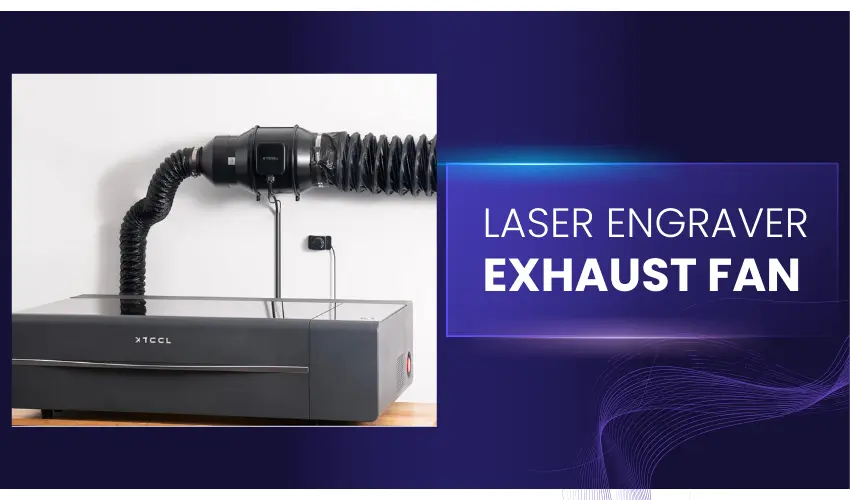
Good ventilation removes smoke, hot gases, and airborne particles from the cutting area.
Without adequate exhaust, heat can accumulate inside the enclosure, increasing fire risk while also reducing engraving quality.
A quality exhaust fan or dedicated fume extractor keeps both your workspace and your machine operating safely.
Watch for Flare-Ups
Small flames occasionally appear during normal laser cutting.
Most disappear immediately as the laser continues moving.
However, if a flame grows larger or remains after the laser passes, stop the job immediately.
Do not allow sustained flames to continue burning.
Install a Fire Extinguisher Nearby
Every laser workshop should have an appropriate fire extinguisher within easy reach.
For most home workshops, an ABC-rated dry chemical extinguisher provides suitable protection against common combustible materials and electrical equipment.
Ensure everyone using the laser knows where the extinguisher is located and how to operate it.
We recommend keeping a fire extinguisher like the First Alert Fire Extinguisher within arm’s reach of your laser engraver.

- First Alert's HOME1 FE1A10GR Fire Extinguisher is UL rated 1-A: 10-B:C; it features durable all-metal construction with a commercial-grade metal valve and trigger to meet demanding needs

The First Alert HOME1 Fire Extinguisher is an excellent safety choice for anyone running a laser engraver at home or in a small workshop.
With a UL rating of 1-A:10-B:C, it’s capable of handling the most common laser-related fire risks—wood, paper, plastics, flammable liquids, and electrical equipment—making it especially well-suited for engraving environments.
Its all-metal construction and commercial-grade valve give it a solid, professional feel, while the easy-to-read pressure gauge and clear instructions make it approachable even for first-time users.
At 4.5 pounds, it’s light enough to deploy quickly but powerful enough to stop small flare-ups before they turn into serious incidents.
The fact that it’s rechargeable adds long-term value, and the metal pull pin with safety seal helps prevent accidental discharge in busy shops.
For laser engraving safety, this extinguisher hits the sweet spot: reliable, versatile, and easy to keep within arm’s reach next to your machine. It’s a smart, affordable investment for anyone serious about preventing fires in engraving.
Consider an Automatic Fire Suppression System
Many professional laser users install automatic fire suppression systems.
Popular options include:
- Automatic aerosol extinguishers
- Fire detection sensors
- CO₂ suppression systems
- Dry chemical suppression systems
These systems provide an additional layer of protection if a fire begins while the operator is distracted. If you regularly use a laser engraver, a dedicated flame detector is one of the smartest safety upgrades you can make.

- Innovative Detection: Flame Detector utilizes advanced technology to detect the presence of flames and fire hazards.
This Flame Detector, which is available on Amazon, provides instant flame detection and sends alerts directly to your Android or iOS smartphone if a fire is detected.
It features real-time mobile notifications that not only alert you to a flame but also identify its location inside your laser machine. This allows you to respond quickly before a small flare-up becomes a serious fire.
The compact, battery-powered design makes installation simple without requiring complicated wiring, and it can easily be added to most desktop laser engravers.
In addition to smartphone alerts, the detector includes a built-in local alarm for immediate on-site warnings.
Its wireless connectivity and reliable monitoring make it a valuable addition for hobbyists, small businesses, and professional workshops alike.
While it should never replace supervising your laser during operation, it provides an extra layer of protection and peace of mind.
Overall, the Flame Detector is an excellent investment for anyone looking to improve laser engraving safety.
Its fast detection, smartphone integration, and easy installation make it one of the best fire safety accessories available for laser engraving and cutting machines.
Protect Your Lens
A dirty laser lens reduces cutting efficiency.
As the lens becomes coated with smoke residue, less laser energy reaches the material.
Operators often compensate by increasing power, which creates additional heat and increases fire risk.
Clean optics regularly according to your manufacturer’s recommendations.
Remove Small Scrap Pieces
Tiny cutoffs often remain inside the honeycomb bed after cutting.
These scraps can ignite if struck by the laser during later projects.
Inspect your work area after every job and remove leftover material before starting the next one.
Avoid Dangerous Materials
Never process materials that are unsafe for laser engraving.
PVC, vinyl, and chlorine-containing plastics not only present fire hazards but also release highly corrosive and toxic gases.
Unknown plastics should never be placed inside a laser engraver.
When in doubt, verify the material before engraving.
What to Do If a Fire Starts
If you notice flames growing beyond a brief flare-up:
Immediately pause or stop the laser. If it is safe to do so, keep the enclosure closed temporarily, as this can limit the oxygen available to the fire.
If the fire does not extinguish immediately, use your fire extinguisher according to its instructions. Disconnect power if it can be done safely, and call emergency services if the fire cannot be controlled within seconds.
Never attempt to fight a large fire without proper equipment.
Fire Prevention Checklist

Before every engraving session, confirm that your machine is clean, the laser lens is free of residue, the material is laser-safe, air assist and ventilation are working correctly, the focus is properly set, and a fire extinguisher is easily accessible. Most importantly, remain with your machine throughout the entire job.
Which Laser Type Has the Highest Fire Risk?
Diode Lasers
Diode lasers often present the greatest fire risk because many operate without fully enclosed cabinets. They frequently process wood, leather, cardboard, and other highly combustible materials while remaining exposed to open air.
CO₂ Lasers
CO₂ lasers are generally safer because many include enclosed cabinets, interlocks, and stronger exhaust systems. However, they still require constant supervision.
Fiber Lasers
Fiber lasers primarily engrave metal, which is non-combustible. Their fire risk is considerably lower, although surrounding materials can still ignite if improperly positioned.
UV Lasers
UV lasers generate less heat than most other laser types, making them less likely to ignite materials. However, normal laser safety practices still apply.
Final Thoughts: Laser Fire Safety Is Non-Negotiable
Preventing fires in laser engraving comes down to awareness, preparation, and discipline. Clean equipment, proper settings, good airflow, and constant supervision dramatically reduce risk.
Laser engravers are incredibly safe when used correctly—but complacency is the enemy. Treat every job with respect, and you’ll protect both your creativity and your workspace.
Frequently Asked Questions
Why do laser engravers catch fire so easily?
Laser engravers concentrate intense heat onto a very small area. Flammable materials like wood, leather, paper, masking tape, and acrylic can ignite quickly—especially if:
The laser dwells too long in one spot
Air assist is weak or disabled
Material has resin, glue, or unknown coatings
Even a small flare-up can turn into open flame in seconds if not addressed immediately.
Should I ever leave a laser engraver unattended?
No—never. Even short engraving jobs can ignite unexpectedly. Many laser fires happen:
Near the end of a job
During raster engraves with high power
When cutting thick or layered materials
Always stay within arm’s reach so you can hit the emergency stop or intervene instantly.
What materials are most likely to cause fires?
High-risk materials include:
Plywood and MDF (due to glue layers)
Leather and faux leather
Paper, cardstock, and cardboard
Masking tape and transfer paper
Foam and rubber
Avoid PVC, vinyl, and unknown plastics entirely—they are both toxic and dangerous.
Is air assist really necessary for fire prevention?
Yes—air assist is critical. It:
Blows away hot debris and embers
Reduces flare-ups along cut lines
Keeps the laser kerf cooler
Poor or clogged air assist dramatically increases fire risk, especially when cutting wood or leather.
What fire safety tools should every laser engraver have?
At minimum, you should have:
A clearly accessible emergency stop button
A fire blanket for small flare-ups
A Class ABC fire extinguisher
Proper ventilation or smoke extraction
These tools work together to stop fires quickly and prevent serious damage or injury.