
A laser engraving machine is one of the most versatile tools available for creators, small businesses, and manufacturers. From customizing gifts to marking industrial parts, laser engraving machines are used across countless industries to produce precise, permanent, and professional results.
This ultimate guide explains what a laser engraving machine is used for, the materials it works on, and how different industries benefit from laser engraving technology.
Table of Contents
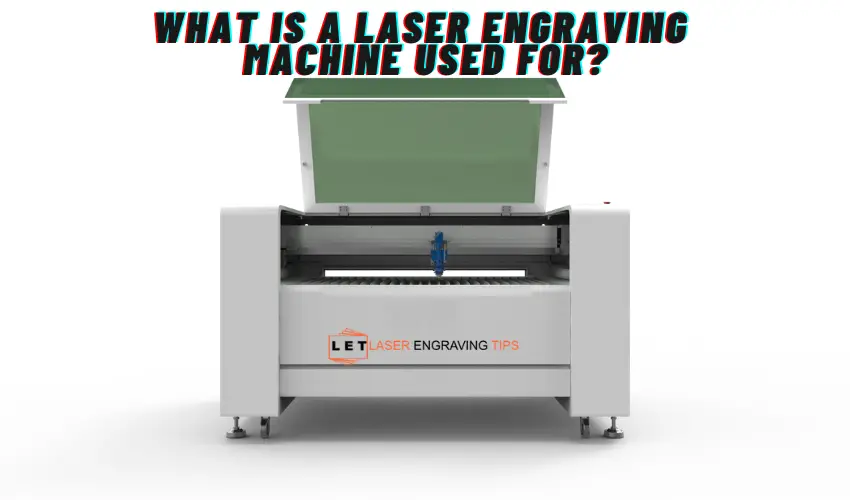
What is a laser engraving machine used for?
With a laser engraver, the possibilities are endless because you can cut and engrave almost any material. Commonly engraved materials include metal, plastic, wood, leather, ceramic, and glass. You can use the engraver to create intricate designs for either aesthetic value (e.g. jewelry and wall hangings) or for commercial reasons (e.g. barcodes and logos)
Applications Across Various Industries
1. Manufacturing and Industrial Use:
- Component Marking: Laser engraving machines are extensively used in the manufacturing sector to mark parts and components with serial numbers, barcodes, and logos. This ensures traceability and aids in quality control.
- Tool Identification: Tools and machinery parts are engraved with identification marks to prevent theft and loss, and to maintain organization.
2. Jewelry and Fashion:
- Custom Jewelry: Jewelers use laser engraving to personalize rings, bracelets, and pendants with names, dates, and intricate designs, providing a high level of detail and precision.
- Fashion Accessories: Engraving on watches, cufflinks, and other accessories adds a unique touch, making these items more appealing to customers.
3. Arts and Crafts:
- Artwork: Artists use laser engravers to create detailed engravings on various mediums, including wood, glass, and acrylic. This technology allows for high precision, enabling complex and fine designs.
- Custom Crafts: Craft enthusiasts and small businesses use laser engraving for custom projects such as engraved wood plaques, glass etchings, and personalized gifts.
4. Electronics and Electrical:
- Circuit Boards: Engraving machines are used to mark circuit boards with identifiers, ensuring proper assembly and maintenance.
- Electronic Components: Laser engraving ensures that small electronic components are accurately labeled, aiding in their identification and use.
5. Medical Industry:
- Instrument Marking: Medical instruments and devices are engraved with critical information, such as serial numbers and calibration marks, to ensure compliance with regulations and enhance traceability.
- Prosthetics and Implants: Laser engraving is used to mark prosthetics and implants with patient-specific information, improving patient safety.
6. Automotive:
- Vehicle Parts: Laser engravers mark vehicle parts with VIN numbers, logos, and other important information, aiding in identification and security.
- Interior Customization: Engraving is used for customizing vehicle interiors, such as dashboard panels and trim pieces.
What is Laser Engraving and How Does it Work?
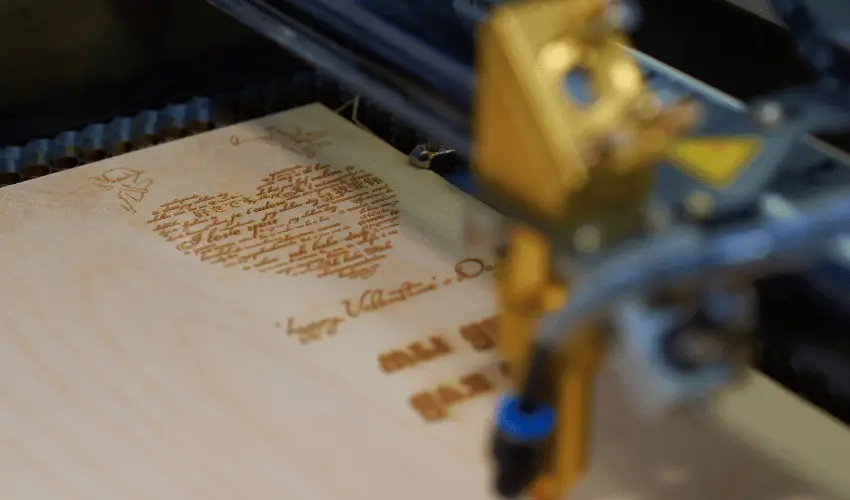
Laser Engraving or Laser Etching is a method that uses a laser beam to manipulate the surface of an object. This occurs when the laser creates high heat that will vaporize the material exposing cavities that will form the final image. This process is fast because the material is removed with each thud of the laser.
Creating Precise, Intricate Designs
Laser engraving machines utilize focused laser beams to vaporize material, creating precise and intricate designs. Here’s how they work on various materials:
1. Wood:
- Applications: Engraving on wood is popular for creating custom furniture, decorative items, and personalized gifts.
- Process: The laser beam burns away the top layer of the wood, leaving a detailed design. Different settings can be used to achieve various depths and shades.
2. Metal:
- Applications: Metal engraving is used for industrial parts, jewelry, and custom nameplates.
- Process: The laser marks the metal surface, creating a permanent design. It can be used on various metals, including stainless steel, aluminum, and brass.
3. Glass:
- Applications: Laser engraving on glass is used for creating personalized glassware, awards, and decorative items.
- Process: The laser creates micro-fractures on the glass surface, resulting in a frosted design. This process requires precision to avoid cracking the glass.
4. Plastic:
- Applications: Plastic engraving is used for labeling electronic components, creating custom signs, and personalizing products.
- Process: The laser melts the plastic surface, creating a raised or recessed design. Different plastics may require specific settings to achieve optimal results.
RELATED POST: How Does A CO2 Laser Engraver Work
What Types of Laser Engraving Machines are there?
Laser engraving machines come in various types, each suited for specific materials and applications. Here’s a detailed overview of the main types of laser engraving machines:
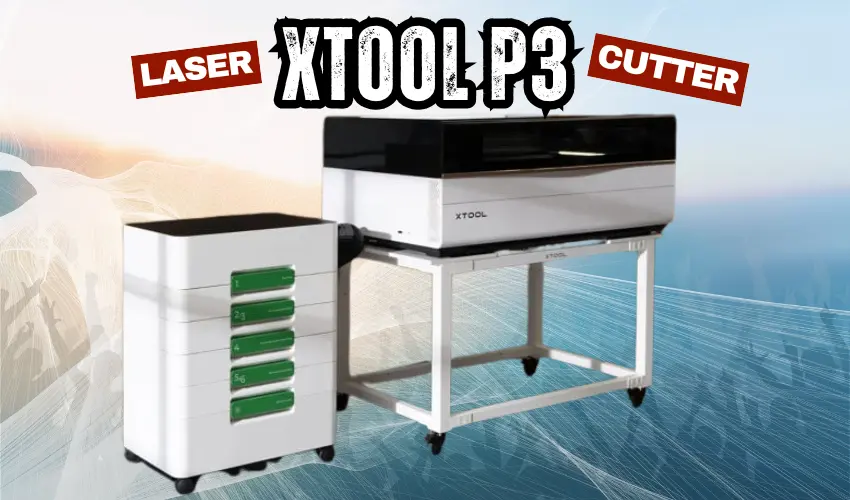
CO2 Laser Engraving Machines
Overview:
- Mechanism: CO2 lasers use a gas mixture (carbon dioxide) excited by an electrical current to produce a laser beam.
- Wavelength: They operate at a wavelength of 10.6 micrometers.
Applications:
- Materials: Wood, acrylic, glass, paper, plastics, leather, rubber, and some ceramics.
- Uses: These machines are widely used for engraving signs, plaques, awards, and custom gifts, as well as in arts and crafts.
Advantages:
- Versatility: Suitable for a wide range of non-metallic materials.
- Cost-Effective: Generally more affordable than other types of lasers.
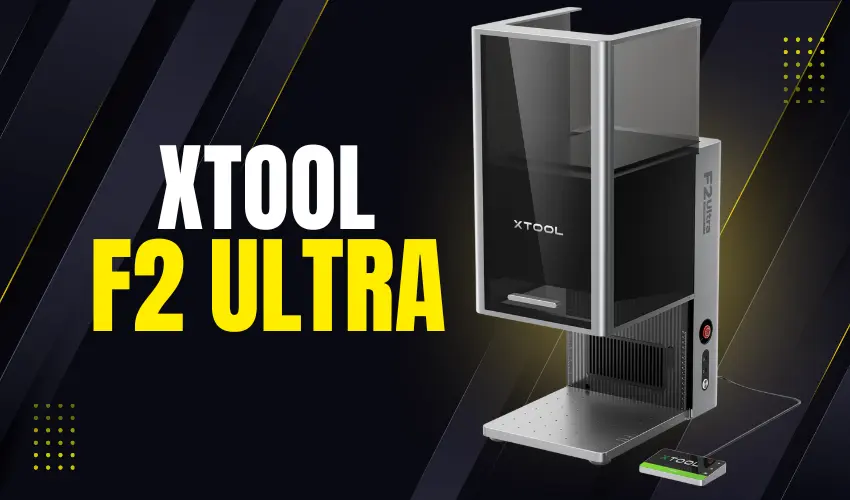
Fiber Laser Engraving Machines
Overview:
- Mechanism: Fiber lasers use optical fibers doped with rare-earth elements to amplify the laser beam.
- Wavelength: They operate at a wavelength of around 1.064 micrometers.
Applications:
- Materials: Metals (stainless steel, aluminum, brass, copper), some plastics.
- Uses: Ideal for marking and engraving industrial parts, tools, electronics, and jewelry.
Advantages:
- High Precision: Capable of producing very fine, detailed engravings.
- Durability: Longer lifespan and lower maintenance compared to CO2 lasers.
- Speed: Faster engraving speeds on metals and hard materials.
Diode Laser Engraving Machines

Overview:
- Mechanism: Diode lasers use semiconductor diodes to produce a laser beam.
- Wavelength: Typically operate at wavelengths ranging from 375 to 1060 nanometers, depending on the type of diode.
Applications:
- Materials: Wood, plastics, leather, and some metals (with special coatings or pre-treatment).
- Uses: Suitable for small-scale projects, hobbyists, and entry-level engraving.
Advantages:
- Compact Size: Generally smaller and more portable than other laser types.
- Affordable: Lower cost, making them accessible for beginners and small businesses.
- Ease of Use: Simple setup and operation.
UV Laser Engraving Machines

Overview:
- Mechanism: UV lasers use ultraviolet light, typically produced by a diode-pumped solid-state laser.
- Wavelength: Operate at wavelengths around 355 nanometers.
Applications:
- Materials: Glass, plastics, ceramics, silicon wafers, and some metals.
- Uses: Ideal for fine marking, micro-machining, and applications requiring minimal thermal impact.
Advantages:
- Precision: Extremely fine engraving with minimal heat damage.
- Versatility: Effective on a wide range of materials, especially those sensitive to heat.
Ideas for a Laser Engraving Business
Starting a laser engraving business offers a wide range of opportunities across various markets. Here are some creative and profitable ideas for a laser engraving business:
- Personalized Gifts:
- Custom Jewelry: Engrave names, dates, and messages on rings, bracelets, and pendants.
- Photo Frames: Personalize wooden, glass, or acrylic photo frames with special messages or designs.
- Keepsake Boxes: Create engraved keepsake boxes for weddings, anniversaries, and other special occasions.
- Corporate and Promotional Items:
- Branded Merchandise: Engrave company logos and slogans on items like pens, keychains, and USB drives.
- Awards and Trophies: Design and engrave awards and trophies for corporate events, sports competitions, and academic achievements.
- Nameplates and Badges: Produce engraved nameplates for offices and custom badges for employees.
- Home Decor and Accessories:
- Wall Art: Create intricate designs on wood, acrylic, or metal to produce unique wall art pieces.
- Coasters and Cutting Boards: Engrave custom designs or messages on wooden coasters and cutting boards.
- Clocks and Mirrors: Personalize clocks and mirrors with decorative engravings.
- Wedding and Event Items:
- Invitations and Save-the-Dates: Offer custom engraved wedding invitations and save-the-date cards on wood or acrylic.
- Guest Books and Signage: Create unique guest books and signage for weddings and other events.
- Favors and Gifts: Provide engraved favors like bottle openers, ornaments, and bookmarks.
- Electronics and Gadgets:
- Phone and Laptop Cases: Customize cases for smartphones, tablets, and laptops with names, designs, and graphics.
- Accessories: Engrave designs on headphones, chargers, and other electronic accessories.
- Pet Products:
- Pet Tags: Produce custom pet tags with names, contact information, and unique designs.
- Pet Accessories: Engrave pet bowls, leashes, and collars with personalized details.
- Industrial and Professional Use:
- Tool Marking: Engrave identification marks and serial numbers on tools and equipment.
- Control Panels: Create engraved labels and panels for industrial machinery and control systems.
- Medical Instruments: Mark medical instruments with important information like serial numbers and calibration data.
- Hobby and Craft Supplies:
- Scrapbooking Supplies: Create custom stencils, stamps, and embellishments for scrapbookers and crafters.
- Model Kits: Offer engraved parts and pieces for model-building enthusiasts.
- Automotive Customization:
- Car Accessories: Engrave custom designs on car accessories like key fobs, license plate frames, and dashboard panels.
- Motorcycle Parts: Personalize motorcycle parts and accessories with unique engravings.
- Educational and Learning Tools:
- Educational Aids: Produce engraved educational tools like puzzles, flashcards, and teaching aids.
- School Supplies: Customize school supplies such as rulers, notebooks, and pens.
- Holiday and Seasonal Items:
- Ornaments: Create personalized holiday ornaments for Christmas, Hanukkah, and other holidays.
- Seasonal Decorations: Engrave seasonal decorations like pumpkins for Halloween or eggs for Easter.
Tips for Success
- Market Research: Identify your target market and understand their preferences and needs.
- Quality Control: Ensure high-quality engraving to build a good reputation and retain customers.
- Customization Options: Offer a wide range of customization options to attract more customers.
- Online Presence: Create an online store or social media presence to reach a broader audience.
- Customer Service: Provide excellent customer service to build loyalty and encourage repeat business.
By exploring these ideas and following best practices, you can establish a successful and diverse laser engraving business.
What Are the Advantages of Laser Engraving?

Laser engraving offers numerous benefits that make it a preferred method for marking and customizing materials across various industries. Here are some key advantages:
Precision and Accuracy
- High Detail: Laser engraving can produce incredibly detailed and intricate designs with high precision, making it ideal for fine text, detailed logos, and complex patterns.
- Consistent Results: The process is controlled by computer software, ensuring consistent and repeatable results across multiple items.
Versatility
- Wide Range of Materials: Laser engraving can be used on various materials, including wood, metal, glass, plastic, leather, and ceramics.
- Multiple Applications: It is suitable for a wide array of applications, from industrial marking and product identification to personalized gifts and decorative items.
Durability
- Permanent Marks: Laser engraving creates permanent marks that are resistant to fading, scratching, and wear, ensuring long-lasting durability.
- No Contact: The non-contact nature of laser engraving means there is no physical wear on the material or the engraving tool, preserving the integrity of both.
Efficiency and Speed
- Quick Process: Laser engraving is a fast process, capable of producing detailed designs in a short amount of time.
- Automation: The process can be easily automated, allowing for high-volume production runs with minimal human intervention.
Environmental Benefits
- Minimal Waste: Laser engraving is a clean process that produces minimal waste compared to traditional engraving methods.
- No Chemicals: It does not require the use of inks, solvents, or other chemicals, making it an environmentally friendly option.
Customization and Flexibility
- Easy Customization: Designs can be quickly and easily customized using computer software, making it simple to produce personalized items.
- Adaptability: The laser settings can be adjusted to achieve different depths, textures, and finishes, allowing for a wide range of effects.
Cost-Effective
- Low Operating Costs: Once the initial investment in a laser engraving machine is made, operating costs are relatively low, with minimal maintenance and no need for consumables like inks or cutting tools.
- Reduced Labor Costs: Automation and precision reduce the need for manual labor and rework, resulting in cost savings.
Safety
- Non-Toxic Process: Laser engraving does not involve harmful chemicals or physical contact, making it a safer process for operators.
- Controlled Environment: Modern laser engraving machines are equipped with safety features like enclosed working areas and ventilation systems to manage fumes and debris.
Adaptable to Different Industries
- Industrial Marking: Ideal for marking parts and components with serial numbers, barcodes, and logos for traceability and quality control.
- Jewelry and Fashion: Perfect for creating custom jewelry and fashion accessories with intricate designs and personalized engravings.
- Arts and Crafts: Enables artists and crafters to produce unique, detailed artwork on various substrates.
- Electronics: Used for marking circuit boards, components, and electronic devices with precision.
Frequently Asked Questions
What can a laser engraving machine be used for?
A laser engraving machine is used to engrave, mark, cut, and personalize a wide range of materials, including wood, metal, glass, acrylic, leather, and plastic. Common uses include custom gifts, product branding, signage, jewelry engraving, industrial part marking, and craft projects. The laser creates permanent, high-precision designs without physical contact.
Can a laser engraving machine be used for business purposes?
Yes, laser engraving machines are widely used for small businesses and commercial production. They are ideal for selling personalized products, branded merchandise, engraved signage, promotional items, and custom jewelry. Many businesses use laser engravers for batch production, serial numbering, and logo engraving due to their speed and consistency.
What materials can a laser engraving machine work on?
The materials a laser engraving machine can work on depend on the laser type. Common materials include wood, acrylic, leather, rubber, glass, stone, coated metals, and bare metals. Diode lasers are great for wood and leather, CO₂ lasers excel at acrylic, while fiber and infrared lasers are best for metal engraving.
Is laser engraving permanent?
Yes, laser engraving is permanent. The laser physically alters the surface of the material by removing or changing material at a microscopic level. Unlike ink or paint, laser engravings do not fade, peel, or wash away, making them ideal for long-lasting markings such as serial numbers, logos, and identification labels.
Are laser engraving machines suitable for beginners?
Many modern laser engraving machines are beginner-friendly. Desktop diode and CO₂ laser engravers often feature user-friendly software, safety enclosures, and preset material settings. With basic training and safety practices, beginners can quickly learn to engrave custom designs, making laser engraving a popular hobby and entry-level business tool.
Conclusion
Laser engraving machines are incredibly versatile tools used across numerous industries to create detailed and precise designs on various materials. From manufacturing and medical applications to arts and crafts, these machines offer endless possibilities for customization and innovation.
Whether you are looking to personalize a gift, mark industrial components, or create intricate artwork, laser engraving machines provide the technology needed to achieve high-quality results.