
Keeping your material flat and secure is one of the easiest ways to improve laser cutting and engraving results.
If your workpiece shifts even slightly, you’ll see it right away—misaligned cuts, uneven engraving, and wasted material.
Table of Contents
This guide covers the best laser bed hold downs, how to choose the right method, and tips for getting consistent, professional results.
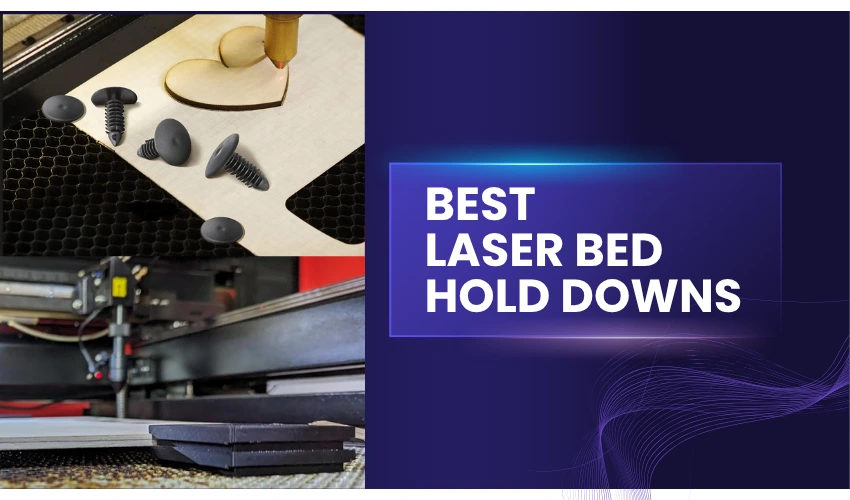
Why Laser Bed Hold Downs Matter
Your laser engraver can only deliver accurate results if the material stays completely secure throughout the job. A reliable hold-down setup keeps materials properly aligned, prevents lifting and warping from heat or airflow, and helps produce cleaner edges and more consistent cuts.
It also reduces failed projects caused by shifting during engraving or cutting. Even the slightest movement can ruin detailed designs, especially during multi-pass engraving where precision is critical from start to finish.
Types of Laser Bed Hold Downs
There are several ways to secure materials, from simple DIY fixes to advanced systems.
1. Magnetic Laser Bed Hold Downs
Magnets are one of the most popular solutions, especially for honeycomb beds.
Best for:
- Wood
- Acrylic
- Leather
- Thin metal sheets
Pros:
- Fast and easy to use
- Strong grip
- Adjustable positioning
Cons:
- Can block the laser path if placed poorly
Our Recommendation: Ino Marketplace Hex Magnetic Laser Bed Hold Downs
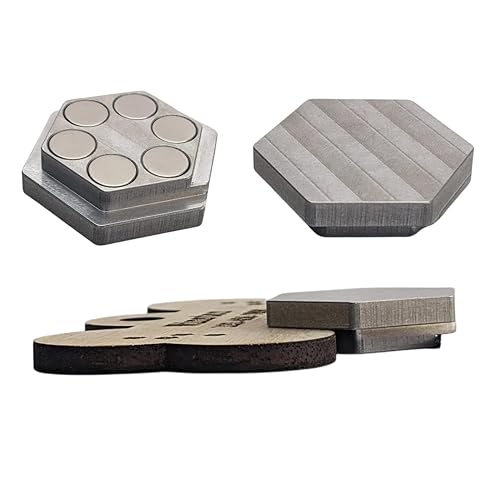
- glowforge magnets laser holdowns aluminum strong
If you’re looking for a simple, reliable way to keep materials flat on your laser bed, these hex magnetic hold downs are a great choice. They’re compact, strong, and clearly designed with laser users in mind.
The biggest advantage is their grip. These magnets hold down plywood, acrylic, and other common materials firmly, even when pieces are slightly warped.
That means fewer failed cuts and more consistent results. The low-profile hex shape is also a smart design choice. It keeps them out of the laser path, so you don’t have to constantly reposition them mid-job.
Build quality is another key feature. The aluminum construction feels durable without being bulky, and they’re built to last through regular use. They’re especially well-suited for machines like Glowforge or Thunder Laser, but they’ll work with most honeycomb beds.
The only limitation is that, like all magnets, they rely on a metal base. If your setup doesn’t support that, you’ll need another solution. But for compatible machines, they’re one of the easiest upgrades you can make.
Bottom line: strong hold, smart design, and hassle-free use. Great for anyone tired of materials shifting during cuts.
2. Honeycomb Laser Bed Hold Down Pins
These pins fit directly into the honeycomb grid and hold materials down without getting in the way.
Best for:
- Precision engraving
- Flat materials
- Repeat jobs
Pros:
- Low profile (reduced collision risk)
- Clean, unobstructed workspace
- Easy to reposition
Cons:
- Less effective on very warped materials
Our Recommendation: xTool Honeycomb Laser Bed Hold Down Pin
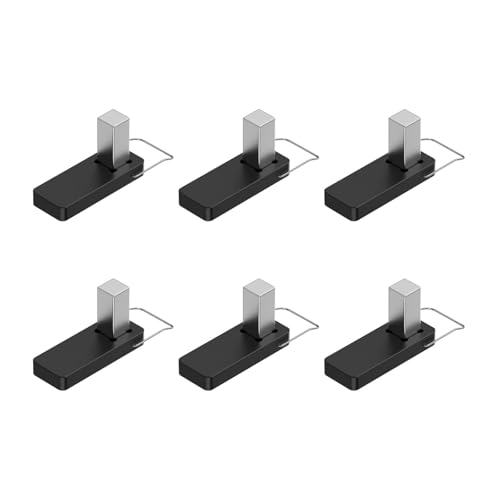
- It is made of strong plastic and magnets that press down on the wood for a clean and consistent cut on warped boards
If magnets aren’t quite cutting it for your setup, these honeycomb bed pins from xTool are one of the most practical alternatives out there.
What makes them an excellent option is how they combine plastic pins with built-in magnets. You get the stability of a pin locked into the honeycomb grid, plus extra downward pressure to keep materials flat.
This works especially well on slightly warped wood, where standard magnets sometimes struggle.
The design is simple but effective. They drop straight into most honeycomb beds and stay out of the laser path thanks to their low profile.
That means fewer interruptions and less risk of hitting a hold-down mid-job. They’re also quick to reposition, which is helpful when switching between projects.
In real use, they perform during engraving and precision cuts. Materials stay put, edges come out cleaner, and alignment stays consistent across longer jobs. The fact that they’re compatible with xTool machines and most standard honeycomb tables is another bonus.
The only downside is that they’re not as strong as heavy-duty magnets for very thick or severely warped materials. In those cases, combining them with weights or magnets works best.
Bottom line: easy to use, well-designed, and great for everyday laser work. A smart upgrade for cleaner, more consistent results.
Our Recommendation: Queekay Honeycomb Laser Bed Pins
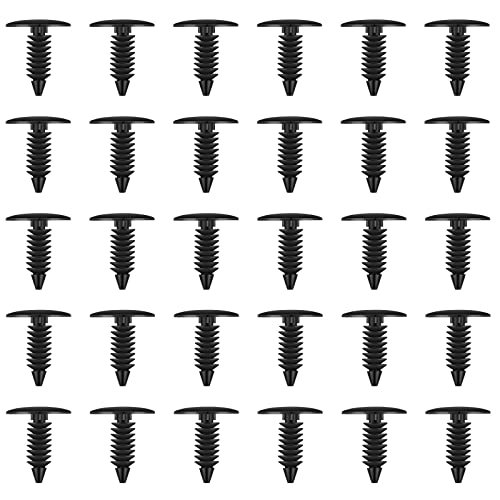
- Package Sent to You: there are a total of 50 pieces of pins for honeycomb laser bed in the package, coming in classic black color, adequate to meet your various demands; You can also share them with your surrounding people who needs them
If you want an affordable and simple way to secure materials on a honeycomb laser bed, these Queekay hold down pins are hard to beat for the price.
The biggest advantage is quantity. With 50 pins included, you can easily secure large sheets, awkward shapes, or multiple small pieces at once without constantly repositioning hold downs.
They’re especially useful for lightweight materials like paper, thin plywood, leather, cardstock, and veneer that tend to shift from air assist or exhaust airflow.
The threaded design works surprisingly well. The pins grip the honeycomb structure securely without damaging the bed, helping materials stay flat during engraving and cutting. Their low-profile shape also reduces the chance of the laser head hitting them during movement.
Because they’re made from plastic, they’re lightweight and easy to use, though they aren’t intended for heavy-duty pressure on thick warped boards.
For severe warping, stronger magnetic hold downs may still work better. But for everyday engraving and light cutting tasks, these pins are practical, fast, and inexpensive.
Compatibility is another strong point. They fit most standard 7.5–8 mm honeycomb grids, making them useful across many laser engraver brands and setups.
Bottom line: an excellent budget-friendly option for securing lightweight materials and improving engraving consistency without cluttering your workspace.
3. Laser Bed Hold Down Clamps and Edge Holders
Some machines allow clamps or edge stops for larger materials.
Best for:
- Large sheets
- Batch production
Pros:
- Very secure
- Ideal for repeat work
Cons:
- Limited flexibility depending on machine
Our Recommendation: Magnetic Laser Bed Hold Down Clamps
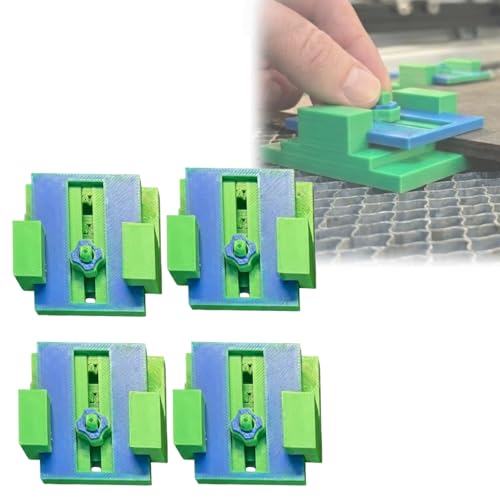
- Strong Magnetic Hold, No More Material Movement Built-in powerful magnets securely attach to steel honeycomb beds, preventing shifting, lifting, or warping during laser cutting and engraving for consistent precision
These magnetic laser hold down clamps are one of the most versatile solutions for keeping materials secure during laser cutting and engraving. They combine the benefits of traditional hold downs, risers, and magnets into a compact all-in-one design.
The best feature is the multi-thickness slot system. Instead of using random weights or stacking magnets, these clamps securely hold common material sizes from 3mm to 6mm, 3/32-1/4″.
That makes them especially useful for wood, acrylic, MDF, and other materials that tend to warp under heat.
The elevated design is another big advantage. By lifting the material slightly above the honeycomb bed, airflow improves significantly. This helps reduce backside scorching, smoke staining, and laser reflection marks, resulting in noticeably cleaner cuts and engravings.
The built-in magnets are strong enough to prevent shifting during long jobs, while the low-profile shape keeps them safely out of the laser head’s path. Setup is fast too. Just place them where needed and start working without tools or complicated adjustments.
These clamps work particularly well for users who regularly cut thin plywood or acrylic sheets that don’t stay perfectly flat on their own. They also help improve consistency across batch jobs where material movement can ruin alignment.
Bottom line: a smart upgrade for cleaner cuts, better airflow, and faster workflow. One of the most practical laser bed accessories for everyday use.
4. Masking Tape
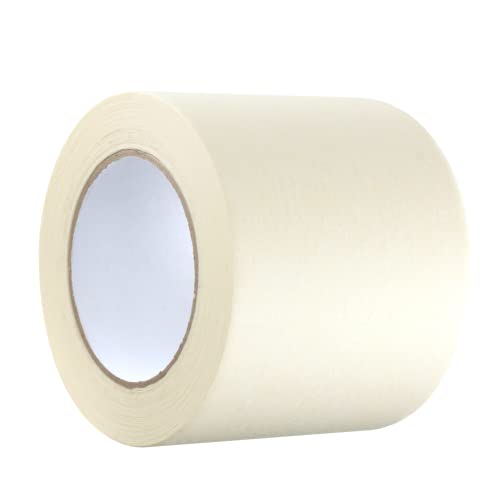
- PACKAGE CONTAINS: 1 roll of general purpose masking tape by GTSE
A simple and low-cost option that still works well.
Best for:
- Thin plywood
- Paper
- Veneer
- Leather
Pros:
- Cheap and easy
Cons:
- Not strong enough for heavy materials
5. Custom Jigs and Frames
Custom-built holders designed for specific projects.
Best for:
- Repeat jobs
- Small item batches
Pros:
- Perfect alignment every time
- Faster workflow
Cons:
- Requires time to design and build
Best Laser Bed Hold Down Method by Material
Material | Best Hold Down Method | Why It Works |
|---|---|---|
Plywood | Magnets + honeycomb pins | Keeps warped wood flat and stable during cutting |
Acrylic | Low-profile magnetic clamps | Prevents movement without scratching the surface |
Leather | Masking tape + magnets | Holds soft material flat while protecting edges |
MDF | Honeycomb pins + magnets | Reduces lifting caused by heat and airflow |
Veneer | Low-tack tape + small magnets | Prevents delicate sheets from curling or shifting |
Cardboard | Honeycomb pins | Lightweight hold-down that avoids crushing material |
Stainless Steel | Strong neodymium magnets | Provides secure hold without mechanical clamps |
Aluminum | Magnetic clamps with steel backing plates | Creates pressure even though aluminum is non-magnetic |
Rubber Sheets | Tape + low-profile clamps | Prevents curling during engraving or cutting |
Fabric | Pins or low-tack adhesive mat | Keeps lightweight material from moving with airflow |
Foam Board | Wide magnetic hold-downs | Distributes pressure evenly without crushing |
Thin Acrylic Sheets | Elevated magnetic risers | Improves airflow and reduces backside scorching |
Laser Bed Hold Downs Pro Tips for Better Results

Using multiple hold points helps keep materials flat and prevents shifting during laser cutting and engraving, especially with lightweight or warped materials.
A clean laser bed is also important because debris can affect focus, airflow, and cut consistency.
Low-profile hold-downs work best since they secure materials without blocking air assist or interfering with the laser head.
Testing your setup before a full job helps confirm alignment and stability, while combining methods like magnets, tape, and pins can provide even better control for cleaner, more accurate results.
Common Mistakes to Avoid
One of the most common laser cutting mistakes is failing to properly secure materials, which can cause shifting, poor alignment, and inconsistent cuts.
Using harsh adhesives can also damage delicate surfaces like acrylic, leather, and veneer, making low-tack masking tape a safer option.
Poorly placed hold-downs may interfere with the laser path and damage the machine, while excessive clamping pressure can warp or crack thin materials.
Using gentle, evenly distributed hold-down methods helps keep materials flat, stable, and protected throughout the cutting process.
Final Thoughts
The best laser bed hold downs depend on your workflow, materials, and machine. For most users, a mix of magnets, honeycomb pins, and tape covers nearly every situation.
If you want cleaner cuts, better engraving, and fewer failed projects, improving your hold-down setup is one of the smartest upgrades you can make.
Frequently Asked Questions
What are laser bed hold downs used for?
Laser bed hold downs keep materials flat and secure during cutting or engraving. They help prevent shifting, warping, and lifting caused by airflow, vibration, or heat.
Are magnets safe to use inside a laser engraver?
Yes, magnets are commonly used on steel honeycomb beds and are safe when placed outside the laser path. Low-profile magnets work best because they reduce the risk of collisions with the laser head.
What’s the best laser bed hold down method for warped wood?
Warped wood often works best with a combination of magnetic hold downs, honeycomb pins, or low-profile clamps. Using multiple hold points across the board helps keep the material flat during cutting.
Can laser bed hold downs affect cut quality?
Yes. Poorly placed clamps or bulky hold-downs can block airflow, interfere with air assist, or even collide with the laser head. Proper placement improves stability and helps create cleaner cuts.
Do I need hold-downs for laser engraving projects?
In many cases, yes. Even engraving jobs can cause lightweight materials like acrylic, leather, or thin wood to shift slightly. Hold-downs help maintain accurate alignment and consistent engraving results.