
Laser engraving glass is a popular technique for creating custom signage, awards, drinkware, and decorative pieces.
But when it comes to tempered glass, many makers ask the same question: Can you laser engrave tempered glass safely and successfully?
Table of Contents
This complete guide explains what tempered glass is, why it’s risky to engrave, what happens when you try, and the safest alternatives for achieving great results.
What Is Tempered Glass?
Tempered glass is a type of safety glass that is often used in household applications. It is created by heating and then cooling the glass to make it stronger.
Tempered glass is four times stronger than regular glass and does not break into large, sharp pieces when it shatters. This makes it an ideal choice for use in areas where safety is a concern, such as in showers, doors, and windows.
One of the most popular uses for tempered glass is in phone screens. The glass is put through a strengthening process that gives it the ability to withstand more force than regular glass. This makes it less likely to shatter if dropped or hit.
Tempered glass is also used in oven doors and cooktops. The heat-resistant properties of the glass make it ideal for these applications. If you are looking for a strong, safe option for your next glass project, tempered glass is a great choice. It is available in a variety of thicknesses and sizes to suit your needs.
While tempered glass is more resistant to breakage than regular glass, it is not completely shatterproof. If tempered glass does break, it will do so into small, blunt pieces that are less likely to cause serious injury.
Tempered glass can still pose a danger if it breaks suddenly and unexpectedly. For this reason, it is important to always follow the manufacturer’s instructions when installing or using products made with tempered glass.
Can You Laser Engrave Tempered Glass?

Short Answer: No—Not Reliably or Safely
Laser engraving tempered glass is not recommended. In most cases, it will cause the glass to crack, spiderweb, or instantly shatter.
Why Tempered Glass Shatters Under a Laser
Laser engraving works by rapidly heating the surface of a material. With tempered glass, this localized heat disrupts the internal stress balance created during tempering. Even a low-power laser can trigger a catastrophic failure, causing the entire piece to explode.
This can happen:
- Immediately when the laser fires
- Seconds after engraving
- Minutes later during cooling
- When the glass is lightly touched afterward
What Happens If You Try to Laser Engrave Tempered Glass?

Common outcomes include:
- Sudden shattering during engraving
- Fine cracks spreading across the surface
- Delayed failure after engraving appears “successful”
- Damage to optics, honeycomb beds, or enclosures
- Safety hazards from flying glass fragments
Even experienced users cannot reliably predict when tempered glass will fail.
Can Low Power or Defocusing Prevent Cracking?
Unfortunately, no method guarantees success. Techniques like:
- Lowering laser power
- Increasing speed
- Defocusing the laser
- Using multiple light passes
- Applying masking or tempera paint
may slightly reduce immediate breakage—but the glass can still shatter later due to stored internal stress.
Does Laser Type Matter?
Laser Type | Safe for Tempered Glass? |
|---|---|
CO₂ Laser | No |
Diode Laser | No |
Fiber Laser | No |
UV Laser | No |
Even UV lasers—which generate less heat—can trigger failure in tempered glass.
How to Identify Tempered Glass Before Engraving
Before engraving any glass, check for these indicators:
- Tempered stamp or etching (usually in a corner)
- Used in furniture, shower doors, or automotive applications
- Glass cutting boards or shelves
- Cannot be cut or drilled without shattering
If you’re unsure—assume it is tempered and do not engrave it.
Safe Alternatives to Tempered Glass
If you want laser-engraved glass results without the risk, consider these options:
Annealed (Standard) Glass
- Safe for CO₂ and diode laser engraving
- Ideal for awards, panels, and flat glass
- Produces consistent frosted results
Borosilicate Glass
- Higher thermal resistance
- Common in labware and drinkware
- Engraves cleanly with proper settings
Coated or Painted Glass
- Laser removes coating instead of stressing the glass
- Produces high-contrast designs
Acrylic (Faux Glass Look)
- Crystal-clear options available
- No cracking risk
- Excellent for signage and decor
Best Alternatives for Marking Tempered Glass
If engraving is absolutely required, consider non-laser methods:
- Sandblasting (most common and safe)
- UV printing
- Vinyl decals or surface coatings
These methods avoid thermal shock entirely.
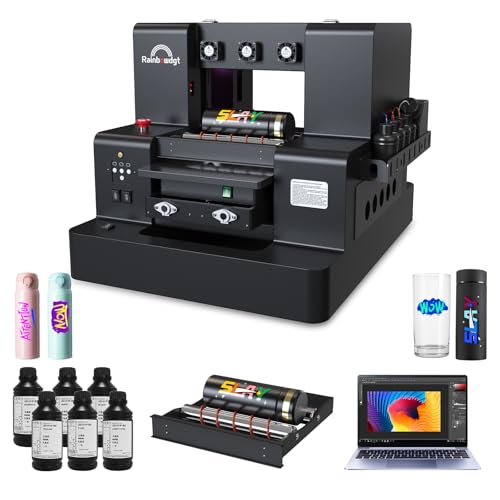
- Plug-and-Play Laptop Included — Perfect for beginners! Comes with a Windows laptop pre-loaded with all necessary drivers and printing software. Skip the complex setup—simply import your design and start your DIY venture instantly with seamless data transfer
Safety Tips When Working With Glass and Lasers
- Always wear eye protection
- Use an enclosed laser when possible
- Never leave glass engraving unattended
- Avoid engraving unknown glass types
- Keep distance from the machine during testing
Related Post: How to laser engrave glass without damaging it
Final Verdict: Should You Laser Engrave Tempered Glass?
No—laser engraving tempered glass is unsafe and unpredictable.
Even if the engraving appears successful, the glass can shatter later, posing serious safety risks.
Best Practice:
- Use annealed or borosilicate glass
- Avoid tempered glass entirely
- Choose alternative marking methods when needed
Frequently Asked Questions
Can tempered glass be laser engraved at low power or high speed?
No. Even at very low power, high speed, or with multiple light passes, tempered glass can still shatter. The internal stress created during tempering makes the glass extremely sensitive to localized heat, which laser engraving inevitably produces.
Will using masking tape, paint, or laser marking spray prevent tempered glass from cracking?
No. Masking, tempera paint, laser marking sprays, or coatings only affect the surface. They do not reduce the internal stress in tempered glass, so cracking or sudden shattering can still occur during or after engraving.
Is it safer to engrave tempered glass with a UV laser?
No. While UV lasers generate less heat than CO₂ or diode lasers, they still introduce thermal stress at the surface. Tempered glass can fail even under UV laser exposure, sometimes with delayed cracking hours or days later.
What happens if tempered glass shatters during laser engraving?
When tempered glass fails, it breaks into many small granules at once. This can:
Damage your laser bed or optics
Scatter glass fragments inside the enclosure
Create a safety hazard if the laser is open
Destroy the entire workpiece instantly
This is why engraving tempered glass is strongly discouraged.
How can I tell if glass is tempered before engraving it?
Look for these signs:
A tempered safety stamp in a corner
Glass from shower doors, tabletops, shelving, or vehicles
Glass cutting boards or phone screen protectors
Glass that cannot be cut or drilled without breaking
If you’re unsure, assume the glass is tempered and do not laser engrave it.